Key Takeaways:
-
Total Cost: Always calculate the premium alongside deductibles and copays to find your true annual price.
-
Drug Formularies: Cross-reference your exact medications against a plan’s tier list to prevent unexpected pharmacy bills.
-
Spending Cap: The updated 2026 out-of-pocket maximum limits your covered prescription drug costs to exactly $2,100 annually.
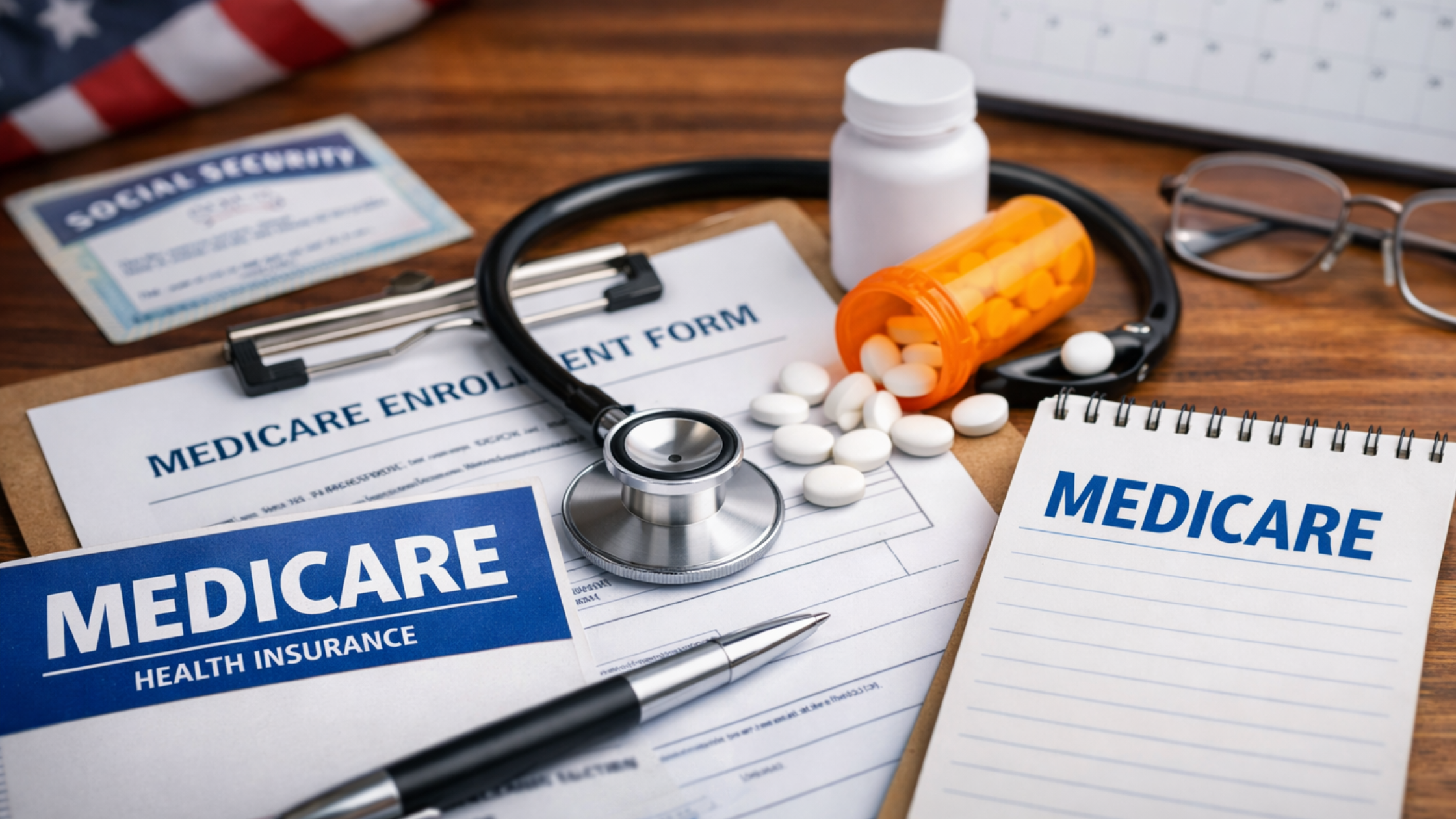
Turning 65 brings a flood of complex healthcare decisions. Original Medicare provides excellent hospital and medical coverage. However, it does not cover retail prescription drugs. You must purchase a standalone Part D plan from a private insurance company. Many retirees vastly underestimate this crucial step.
They focus their entire strategy on medical coverage and treat their drug plan as an afterthought. This approach drastically impacts your retirement budget. As you learn How to Choose a Medicare Plan, you must rigorously scrutinize your prescription coverage. A wrong choice here creates massive hidden costs that drain your monthly cash flow.
Choosing the right Part D plan requires careful math. You must look far beyond the advertised monthly premium. Here is a step-by-step guide to avoiding the most common prescription drug traps.
The Monthly Premium Trap
Most retirees approach Part D shopping backwards. They simply scan a list of available plans and pick the one with the lowest monthly premium. Insurance companies heavily advertise these $10 or $15 monthly plans to attract buyers. This creates a dangerous financial trap.
The lowest premium rarely equals the lowest total cost. A cheap plan often places standard medications on expensive tiers. You save $10 a month on the premium, but you might pay hundreds of dollars extra at the pharmacy counter. You must calculate the “Total Annual Cost.” This mathematical formula includes the monthly premium, the annual deductible, and the specific copays for your exact medications.
Decoding the Plan Formulary (The Tier System)
Every Part D plan features a specific “formulary.” This serves as the insurance company’s official list of covered drugs. A plan will not pay a single dime for a medication missing from its formulary.
Insurance companies divide these formularies into tiers. The tier level dictates your out-of-pocket cost.
-
Tier 1: Preferred generic drugs. These carry the lowest copays, often just $1 or $2.
-
Tier 2: Non-preferred generic drugs.
-
Tier 3: Preferred brand-name drugs. These usually require a mid-range copay, such as $40 to $45.
-
Tier 4 & 5: Non-preferred and specialty drugs. Instead of a flat copay, you usually pay a percentage of the total retail cost (coinsurance). This can equal hundreds of dollars per refill.
How to avoid a costly mistake: Suppose you take a popular brand-name blood thinner. Company A places this exact drug on Tier 3 with a flat $45 copay. Company B places it on Tier 4 and charges a 40% coinsurance rate. You must cross-reference your specific daily dosages against each carrier’s official tier list before applying.
The $2,100 Out-of-Pocket Cap
The Medicare Part D system recently underwent a massive legislative overhaul. In the past, retirees feared the infamous “donut hole” or coverage gap. This gap forced seniors to pay high percentages for their drugs once they reached a certain spending limit.
Fortunately, the rules have changed significantly for your benefit. The landmark legislation that took effect in 2025 completely eliminated that coverage gap and introduced a hard ceiling on your prescription costs. Because this protective ceiling is adjusted annually for inflation, Medicare caps your out-of-pocket prescription drug costs at exactly $2,100 in 2026.
This cap completely protects your retirement savings from catastrophic pharmacy bills. If you receive a difficult diagnosis and require a specialized $12,000 medication, your financial exposure ends at exactly $2,100 for the entire year. After you hit that limit, you enter the catastrophic coverage phase, and your Part D plan pays 100% of the cost for your covered medications for the rest of the calendar year.
However, this cap is not an excuse to simply buy the first plan you see. You must still strategically choose a drug plan to ensure your routine generic medications remain as cheap as possible before you ever get close to hitting that protective ceiling.
Navigating Pharmacy Network Restrictions
Insurance carriers tightly control where you can fill your prescriptions. They partner with specific national chains to create preferred networks.
A Part D plan usually divides pharmacies into two categories: “Preferred” and “Standard” in-network pharmacies.
-
Preferred Pharmacies: The insurance company negotiated the deepest discounts here. You might pay a $0 copay for a generic drug at a preferred location.
-
Standard Pharmacies: The plan still covers the drug, but your copay increases. That same generic drug might cost you $15 at a standard pharmacy.
How to avoid a costly mistake: Do not assume the major pharmacy down your street sits in the preferred network. You must actively verify the pharmacy network status. Using a standard pharmacy for multiple monthly refills quickly destroys your budget.
Conclusion
Choosing a Medicare Part D plan demands precision and attention to detail. You cannot rely on broad assumptions or flashy marketing materials. Protect your retirement income by actively auditing your current medications. Cross-reference your exact dosages against the plan formularies and verify your local pharmacy networks. By looking past the initial monthly premium and calculating your true total annual cost, you guarantee that your healthcare budget remains completely predictable.
Continue Learning About Medicare
- When to Delay Medicare and Keep Employer Coverage
- How to Choose the Best Medicare Supplement Plan for Your Lifestyle
- Medicare Advantage vs Original Medicare